
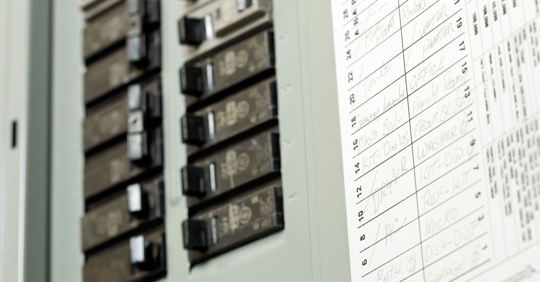
Frequent tripped circuit breakers aren’t just a minor annoyance—they’re a signal that your home’s electrical system is under stress. Ignoring repeated trips can result in damaged appliances, overheated wiring, or even fire hazards. Understanding why breakers trip, how to troubleshoot them, and what you can do to prevent issues is key to maintaining a safe, efficient home. Shepherd Electric Company, Inc., serving Birmingham, AL, specializes in keeping homes powered safely and reliably, offering guidance and professional solutions for all your electrical concerns.
Circuit breakers are more than just switches—they’re your home’s first line of defense against electrical hazards. When a breaker trips, it’s performing a critical safety function: stopping electricity from flowing through a circuit that could otherwise overheat or cause damage. By understanding the different types of breakers and why they trip, homeowners can better manage electrical loads and prevent recurring problems.
Understanding Circuit Breakers and Common Causes of Tripping
How Circuit Breakers Work:
Circuit breakers are designed to protect your home and its electrical system from overloads, short circuits, and other faults. Essentially, they act as automatic switches that shut off power when unsafe conditions are detected. This protects not only your appliances but also your home’s wiring from overheating, reducing the risk of fire.
Common types of circuit breakers include:
- Single-pole breakers: Provide 120 volts for standard lighting and outlets.
- Double-pole breakers: Provide 240 volts for larger appliances like dryers and air conditioners.
- Ground fault circuit interrupters (GFCIs): Protect against electrical shock in areas with moisture, such as bathrooms and kitchens.
Knowing the differences between these breakers helps homeowners understand their electrical system and why certain circuits might trip more often than others.
Common Causes of Tripped Circuit Breakers:
Circuit breakers trip for various reasons, most commonly due to:
- Overloaded circuits: Running multiple high-powered devices, like microwaves, hair dryers, or space heaters, on the same circuit can overload it.
- Short circuits: Damaged wiring or faulty appliances can allow electricity to take an unintended path, creating sparks or fires.
- Ground faults: Moisture in bathrooms, kitchens, or laundry areas can cause electrical imbalances that GFCI breakers are designed to detect.
Repeated tripping is a sign that your electrical system may need attention. While it might be tempting to simply reset the breaker, doing so without addressing the underlying cause can increase risks and potentially lead to costly repairs.
Diagnosis and Troubleshooting Techniques
Visual Inspection Steps:
A careful visual inspection is the first step in troubleshooting frequent breaker trips. Look for:
- Scorch marks, frayed wires, or loose connections in outlets and breaker panels.
- An organized and properly labeled breaker panel to help identify problem circuits.
- Signs of hidden damage that could contribute to repeated tripping.
Even small issues, like a loose wire behind an outlet or a worn appliance plug, can trigger a breaker. Taking the time to inspect your system helps pinpoint these risks before they escalate.
Using Diagnostic Tools:
For more precise detection of electrical issues, use diagnostic tools such as:
- Non-contact voltage testers to safely check for live wires.
- Test lights to confirm whether outlets are active.
- Multimeters to measure voltage, current, and resistance.
- Circuit breaker testers to identify internal faults.
These tools provide valuable data on the health of your electrical system, but safety should always come first. For complex or persistent problems, a professional electrician can accurately diagnose and resolve issues without putting you at risk.
Preventative Measures to Avoid Tripped Circuit Breakers
Balancing Electrical Loads:
Preventing breaker trips often comes down to managing electrical demand. Some practical strategies include:
- Distributing high-powered devices across multiple circuits instead of overloading one.
- Upgrading to energy-efficient appliances to reduce overall demand.
- Installing Arc Fault Circuit Interrupters (AFCIs) to detect dangerous arcing before it becomes a fire hazard.
By balancing your electrical load, you not only prevent frequent trips but also extend the life of your appliances and wiring. Smart planning today helps avoid costly repairs tomorrow.
Regular Maintenance Practices:
Routine maintenance is key to keeping your home’s electrical system safe and reliable. Consider:
- Scheduling inspections with licensed electricians to detect worn wiring or outdated breakers.
- Replacing old circuit breakers or wiring that no longer meet safety standards.
- Maintaining your electrical system proactively rather than waiting for problems to occur.
A well-maintained system reduces the risk of unexpected outages, improves efficiency, and gives you peace of mind knowing your home is safe.
Advanced Solutions for Persistent Issues
Upgrading Electrical Panels:
If breaker trips continue despite load management and maintenance, an upgraded electrical panel may be the solution. Older panels often struggle to handle modern energy demands from air conditioners, smart devices, and high-powered appliances. Upgrading your panel:
- Provides additional capacity for safe and efficient electricity distribution.
- Can include smart technology for real-time monitoring of energy usage and alerts.
- Prepares your home for future electrical needs, ensuring long-term reliability.
Consulting Professional Electricians:
Persistent issues require expert intervention. Shepherd Electric Company, Inc. offers licensed, experienced electricians who can:
- Diagnose complex electrical problems with precision.
- Recommend solutions that improve system reliability and safety.
- Perform upgrades or repairs that comply with local codes and standards.
When repeated trips occur, professional assessment is the safest way to protect your home and family.
Safety Considerations and Best Practices
Electrical Safety Tips for Homeowners:
Keep these essential safety practices in mind:
- Wear insulated gloves and safety goggles when inspecting electrical components.
- Watch for warning signs like flickering lights, frequent breaker trips, or unusual appliance behavior.
- Avoid makeshift wiring solutions and over-reliance on extension cords.
Recognizing hazards early and taking action can prevent serious accidents and costly repairs.
Legal and Compliance Requirements:
Adhering to local building codes is critical for safety and legality. Compliance ensures your system meets Birmingham’s safety standards, protects your family, and avoids potential insurance or resale issues. Shepherd Electric Company, Inc. can conduct thorough compliance checks and guide any necessary upgrades, ensuring your home remains both safe and code-compliant.
For All Your Circuit Breaker Needs, Turn to Shepherd Electric Company
By understanding circuit breakers, taking preventative measures, and consulting professionals when needed, you can stop worrying about tripped breakers and enjoy a safer, more efficient home. Shepherd Electric Company, Inc. is ready to provide expert circuit breaker and panel solutions tailored to your home’s unique electrical needs. Reach out today to schedule a consultation or maintenance check.
Call Shepherd Electric Company now at (205) 479-5673 or contact us online.